Blog

  • 25 Common Civil Law Disputes Explained

    1. Contract Disputes

    Definition: Differences regarding the interpretation, enforcement, or meaning of a contract.

    Examples: Failure to deliver goods or services, breach of contract, or failure to make payments.

    Remedy: The available remedies are money damages, cancellation of the contract, or specific performance.

    2. Property Disputes

    Definition: Litigation concerning ownership, use, or boundaries over real and personal property.

    Read Also:

    Examples: Trespassing, boundary disputes, or landlord-tenant disputes.

    Remedy: Injunctions, monetary damages, or quiet title actions to prove ownership.

    3. Landlord-Tenant Disputes

    Definition: Disputes between landlords and tenants on terms of lease or property conditions.

    Examples: Non-payment of rent, disputes over eviction, or failure to maintain the property.

    Resolution: Mediation, court-ordered eviction, or rent adjustments.

    4. Personal Injury Claims

    Definition: Situations where someone is injured as a result of another’s negligence or intentional acts.

    Examples: Car accidents, slip-and-fall incidents, or workplace injuries.

    Resolution: Compensation for medical bills, lost wages, and pain and suffering.

    5. Defamation (Libel and Slander)

    Definition: Lies that damage someone’s reputation.

    Examples: Bad online reviews or malicious accusations in public.

    Resolution: Damages in money or retraction.

    6. Family Law Disputes

    Definition: Legal disputes resulting from family ties.

    Examples: Divorce, child custody, spousal support, or property division.

    Resolution: Court orders or settlement through mediation.

    7. Employment Disputes

    Definition: Conflicts between employers and employees over rights and obligations at the workplace.

    Examples: Wrongful termination, wage disputes, or harassment claims.

    Resolution: Settlements, reinstatement, or damages for lost wages.

    8. Consumer Protection Claims

    Definition: Defective products or deceptive business practices.

    Examples: Faulty appliances, false advertising, or failure to honor warranties.

    Resolution: Refunds, product replacements, or compensatory damages.

    9. Intellectual Property Disputes

    Definition: Use or ownership of creative works, trademarks, or patents.

    Examples: Copyright infringement or trademark violations.

    Resolution: Injunctions, licensing agreements, or monetary damages.

    10. Debt Collection Disputes

    Definition: Conflicts over unpaid debts or improper collection practices.

    Examples: Failure to pay credit card bills or harassment by debt collectors.

    Resolution: Payment plans, negotiated settlements, or court judgments.

    11. Business Disputes

    Definition: Legal conflicts between business partners or organizations.

    Examples: Breach of partnership agreements or disputes over ownership stakes.

    Resolution: Settlements, buyouts, or court rulings.

    12. Property Damage Claims

    Definition: Disputes over damage to personal or real property.

    Examples: Damage from construction, vandalism, or car accidents.

    Resolution: Repair costs, replacement value, or compensation.

    13. Medical Malpractice Claims

    Definition: Medical malpractice claims against doctors and other health care professionals.

    Examples: Mistake in diagnosis, surgical mistakes, or errors in medication.

    Remedy: Payment of medical bills and damages for pain and suffering.

    14. Product Liability Claims

    Definition: Claims against manufacturers for faulty or hazardous products.

    Examples: Faulty parts for a car or spoiled food.

    Remedy: Recalls, refunds, or damages for injuries.

    15. Construction Disputes

    Definition: Disputes over construction projects or contracts.

    Examples: Shoddy workmanship or failure to meet deadlines.

    Resolution: Fixation, damages or negotiation of contract.

    16. Partition of Property

    Definition: Disputes concerning jointly owned property.

    Examples: Co-owners disagreeing with the sale or use of shared real estate.

    Resolution: Partition or order for sale of property at court.

    17. Professional Malpractice Claims

    Definition: Claims for negligence by a legal practitioner, accountants or architects.

    Examples: Giving bad legal or financial advice.

    Resolution: Payment of financial loss or disciplinary measure.

    18. Nuisance Claims

    Definition: Interference with someone’s enjoyment of his property.

    Examples: Excessive noise, odors, or pollution.

    Remedies: Injunction or money damages.

    19. Breach of Fiduciary Duty

    Definition: Someone breaches his duty to exercise judgment in favor of another.

    Examples: Malfeasance regarding trust monies, or when a businessman has an interest conflicting with another interest.

    Remedies: Damages for loss or removal of fiduciary status.

    20. Housing Discrimination Claims

    Definition: Unfair treatment in housing based on protected characteristics.

    Examples: Refusal to lease or sell land based on race or gender.

    Remedy: Compensation, penalty, or policy.

    21. Environmental Litigation

    Definition: Application of land or community interference due to pollution.

    Examples: Water sources contaminated or improper waste dumping.

    Remedy: Order to clean up, penalty, or compensation.

    22. Boundary Disputes

    Definition: Boundary differences over the demarcation between parties’ properties.

    Examples: Overhanging structures or fencing disputes over property lines.

    Remedy: Survey or mediation by court decision.

    23. Claim for Trespass

    Definition: Trespass to land.

    Examples: Unapproved building or encroachment.

    Remedy: Damages or injunction.

    24. Defective Workmanship

    Definition: Disputes over the quality of work performed by contractors or service providers.

    Examples: Bad home repairs or partially done renovations.

    Remedy: Reimbursement, repairs, or litigation.

    25. Financial Fraud

    Definition: Cases involving fraud for monetary gain.

    Examples: Investment fraud or embezzlement.

    Remedy: Restitution, fines, or imprisonment for the perpetrator.

    These are common disputes under civil law and usually resolved by negotiation, mediation, or litigation.

  • The Role of Legal Documents in Estate Planning: A Comprehensive Guide

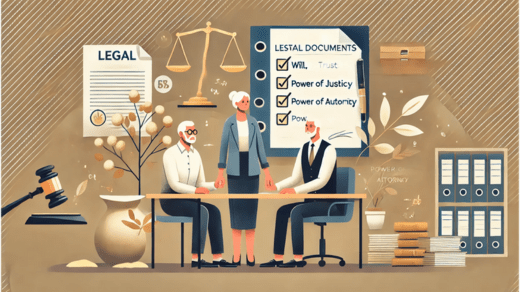
    The Role of Legal Documents in Estate Planning: A Comprehensive Guide

    Estate planning is a crucial process that involves making decisions about how your assets will be managed and distributed after your passing. At the heart of effective estate planning are various legal documents that serve to outline your wishes and ensure that your estate is handled according to your preferences. Understanding the role of these legal documents is essential for crafting a robust estate plan that provides peace of mind for both you and your loved ones.

    What is Estate Planning?

    Estate planning is the process of organizing your affairs in anticipation of your death or incapacitation. It involves creating a strategy to manage and distribute your assets in a manner that aligns with your wishes, while also minimizing taxes and other costs. The primary goal of estate planning is to ensure that your estate is handled efficiently and according to your preferences, reducing potential conflicts among heirs and minimizing the burden on your loved ones.

    Key Legal Documents in Estate Planning

    1. Last Will and Testament

    The Last Will and Testament is a fundamental estate planning document that outlines how your assets should be distributed after your death. This document also allows you to name an executor, who will be responsible for managing your estate and ensuring that your wishes are carried out. Key components of a will include:

    • Asset Distribution: Specifies how your property and possessions should be divided among your beneficiaries.
    • Guardianship: Designates guardians for minor children, ensuring their care and upbringing are in line with your wishes.
    • Executor Appointment: Names an executor who will oversee the administration of your estate.
    • Living Trust

    A Living Trust, also known as a Revocable Trust, is a legal entity that holds your assets during your lifetime and distributes them according to your instructions upon your death. Unlike a will, a Living Trust can help avoid probate, which is the legal process of validating a will and distributing assets. Benefits of a Living Trust include:

    • Avoiding Probate: Assets held in a Living Trust pass directly to beneficiaries without going through probate, which can be time-consuming and costly.
    • Privacy: Unlike wills, Living Trusts are not public records, so the details of your estate remain private.
    • Flexibility: You can modify or revoke a Living Trust during your lifetime as your circumstances or wishes change.
    • Durable Power of Attorney

    A Durable Power of Attorney (DPOA) is a legal document that grants someone you trust the authority to make financial and legal decisions on your behalf if you become incapacitated. This document is crucial for managing your affairs if you are unable to do so yourself due to illness or injury. Key aspects include:

    • Financial Management: Allows your agent to manage your finances, pay bills, and make investment decisions.
    • Flexibility: You can specify the scope of authority granted to your agent, including limitations or special instructions.
    • Immediate Effect: A Durable Power of Attorney can take effect immediately or only upon your incapacitation, depending on your preferences.
    • Healthcare Power of Attorney

    A Healthcare Power of Attorney (HCPA) designates a person to make medical decisions on your behalf if you are unable to communicate or make decisions yourself. This document ensures that your healthcare preferences are honored and provides guidance to your loved ones during difficult times. Important features include:

    • Medical Decision-Making: Appoints an agent to make healthcare decisions in line with your wishes.
    • Living Will Provisions: May include specific instructions about end-of-life care and treatment preferences.
    • Healthcare Proxy: Your chosen agent will act as your healthcare proxy, making decisions if you are incapacitated.
    • Living Will

    A Living Will is a document that outlines your preferences for medical treatment and end-of-life care. It provides guidance on what medical interventions you do or do not want if you are terminally ill or in a persistent vegetative state. Key considerations include:

    • End-of-Life Care: Specifies your wishes regarding life-sustaining treatments, such as mechanical ventilation or feeding tubes.
    • Organ Donation: May include your preferences regarding organ donation.
    • Pain Management: Addresses your desires for pain relief and comfort measures.
    • Beneficiary Designations

    Beneficiary Designations are forms that you complete for financial accounts, such as life insurance policies, retirement accounts, and bank accounts, to specify who will receive these assets upon your death. Ensuring these designations are up-to-date is essential for proper estate planning. Key points include:

    • Direct Transfers: Assets with beneficiary designations pass directly to the named beneficiaries, bypassing probate.
    • Review and Update: Regularly review and update beneficiary designations to reflect changes in your life, such as marriage, divorce, or the birth of children.
    • Contingent Beneficiaries: Designate contingent beneficiaries to receive assets if the primary beneficiary is no longer alive.
    • Guardianship Designation

    If you have minor children, it’s crucial to designate guardians in your estate planning documents to ensure their care is consistent with your wishes. This designation is typically included in your will but can also be addressed in a separate document. Important considerations include:

    • Choosing Guardians: Select responsible individuals who align with your values and are willing to take on the responsibility of raising your children.
    • Backup Guardians: Appoint alternate guardians in case your primary choice is unable or unwilling to serve.
    • Communicating Wishes: Discuss your guardianship preferences with the chosen individuals to ensure they are prepared for the role.

    The Importance of Regular Review and Updates

    Estate planning is not a one-time event but an ongoing process. It is essential to regularly review and update your estate planning documents to reflect changes in your life circumstances, such as marriage, divorce, the birth of children, or changes in financial status. Regular reviews ensure that your estate plan remains aligned with your current wishes and legal requirements.

    Working with Estate Planning Professionals

    Crafting an effective estate plan involves complex legal and financial considerations. Working with estate planning professionals, such as attorneys, financial advisors, and tax specialists, can provide valuable guidance and ensure that your documents are legally sound and tailored to your specific needs. Professionals can also help you navigate the intricacies of estate and gift tax laws and ensure that your estate plan is comprehensive and effective.

    Conclusion

    Legal documents play a pivotal role in estate planning, serving as the foundation for how your assets will be managed and distributed after your passing. From wills and trusts to powers of attorney and living wills, each document serves a specific purpose in ensuring that your wishes are honored and your estate is handled efficiently. By understanding the role of these documents and working with professionals to create a comprehensive estate plan, you can provide peace of mind for yourself and your loved ones, knowing that your affairs will be managed according to your preferences.

  • Family Law and Adoption: Legal Steps to Build Your Family

    Family Law and Adoption: Legal Steps to Build Your Family

    Building a family through adoption is a rewarding and transformative journey, but it involves a series of legal steps and considerations to ensure a smooth and successful process. Understanding family law and the adoption process is essential for prospective parents who want to navigate this path with confidence. This article outlines the key legal steps involved in adoption and offers guidance to help you build your family.

    Understanding Family Law and Adoption

    Family law encompasses the legal aspects of family relationships, including marriage, divorce, child custody, and adoption. Adoption, in particular, is a legal process that establishes a parent-child relationship between individuals who are not biologically related. This process grants the adoptive parents the same legal rights and responsibilities as biological parents.

    1. Choosing the Type of Adoption

    The first step in the adoption process is to decide on the type of adoption that best suits your family. There are several types of adoption to consider:

    • Domestic Adoption: Adopting a child within your own country, which can be through a private agency, foster care system, or independent adoption.
    • International Adoption: Adopting a child from another country, which involves complying with both U.S. and foreign adoption laws.
    • Stepparent Adoption: A legal process for a stepparent to adopt their spouse’s child, often used when one biological parent is not involved in the child’s life.
    • Relative Adoption: Adopting a child who is a relative, such as a niece or nephew, which can simplify the process but still requires legal procedures.

    2. Research and Prepare

    Before proceeding, it’s crucial to research the adoption process and requirements specific to your state or country. Each jurisdiction has its own regulations and procedures, so understanding these is key to a successful adoption. Preparation involves:

    • Gathering Documentation: This may include background checks, financial statements, medical records, and personal references.
    • Home Study: A comprehensive assessment conducted by a licensed social worker to evaluate your suitability as an adoptive parent. The home study involves interviews, home visits, and a review of your background.

    3. Selecting an Adoption Agency or Attorney

    Choosing the right adoption agency or attorney is a critical step. If you opt for a private or international adoption, a reputable agency can guide you through the process, including matching you with a child and handling legal paperwork. For stepparent or relative adoptions, an experienced family law attorney can provide valuable assistance in navigating legal requirements and court procedures.

    4. Legal Proceedings

    The adoption process involves several legal proceedings to finalize the adoption. These steps may include:

    • Filing a Petition: Submitting a formal request to the court to initiate the adoption process. This petition includes details about the child and the prospective adoptive parents.
    • Termination of Parental Rights: In cases where a child is in foster care or being adopted from a biological parent, the court must terminate the parental rights of the biological parents. This step is crucial to ensure that the adoption is legally valid.
    • Adoption Hearing: Attending a court hearing where a judge reviews your case, including the home study report and any other relevant documentation. The judge will determine whether the adoption is in the child’s best interests.

    5. Finalizing the Adoption

    Once the court approves the adoption, you will receive an adoption decree, which legally establishes you as the child’s parent. This decree provides you with all the rights and responsibilities of parenthood and allows you to obtain a new birth certificate for the child reflecting the adoptive parents’ names.

    6. Post-Adoption Support

    Adoption is a significant transition for both the child and the parents. Post-adoption support services can help families adjust and thrive. These services may include counseling, support groups, and resources for dealing with any challenges that arise.

    Conclusion

    Adopting a child is a profound and life-changing experience, and understanding the legal steps involved is essential for a smooth process. By choosing the right type of adoption, preparing thoroughly, selecting a reliable agency or attorney, and following legal procedures, you can build a loving family and provide a child with a nurturing and supportive home. Embracing the adoption journey with knowledge and preparation ensures that you and your child embark on a fulfilling and successful new chapter in your lives.

  • Exploring the Separation of Powers in Constitutional Law: A Safeguard Against Tyranny

    Exploring the Separation of Powers in Constitutional Law: A Safeguard Against Tyranny

    The separation of powers is a fundamental principle in constitutional law, designed to prevent the concentration of power in a single entity and to safeguard democracy. This doctrine is essential in ensuring a balanced government where no single branch becomes dominant, thus protecting against tyranny. In this article, we will explore the concept of separation of powers, its historical development, its application in various democracies, and its significance in maintaining a fair and just government.

    Understanding the Separation of Powers

    The separation of powers is a governance model that divides the functions of government into distinct branches, each with its own powers and responsibilities. The primary aim is to prevent any single branch from exercising excessive power and to create a system of checks and balances. The three branches typically involved are:

    1. Legislative Branch: This branch is responsible for making laws. In many countries, it is represented by a parliament or congress. Legislators debate, draft, and pass laws that govern the country.
    2. Executive Branch: The executive branch enforces laws and administers government operations. It is headed by the president, prime minister, or a similar figure, depending on the country’s system of government.
    3. Judicial Branch: This branch interprets laws and ensures they are applied fairly. Courts and judges within this branch have the authority to review laws and executive actions to ensure they comply with the constitution.

    Historical Development of the Separation of Powers

    The concept of separation of powers can be traced back to ancient political philosophy but was most famously articulated by the French philosopher Montesquieu in his work The Spirit of the Laws (1748). Montesquieu argued that political liberty required the separation of government into distinct branches, each with its own powers. He believed that this separation would prevent any one branch from becoming too powerful and thus protect individual freedoms.

    The idea was influential in the drafting of many modern constitutions, including that of the United States. The framers of the U.S. Constitution, inspired by Montesquieu’s ideas, designed a system where the legislative, executive, and judicial branches were distinct yet interrelated, each with specific functions and limitations.

    The Separation of Powers in Practice

    1. United States

    In the United States, the separation of powers is enshrined in the Constitution. Article I establishes the legislative branch, Article II the executive branch, and Article III the judicial branch. Each branch has specific powers and responsibilities:

    • Legislative Branch: Congress, consisting of the Senate and the House of Representatives, has the power to make laws, approve budgets, and oversee the executive branch.
    • Executive Branch: The President, supported by the executive departments and agencies, implements and enforces laws. The President also has the power to veto legislation, make executive orders, and act as commander-in-chief of the armed forces.
    • Judicial Branch: The Supreme Court and other federal courts interpret laws and have the authority to overturn laws or executive actions deemed unconstitutional.

    This system creates a balance of power where each branch can check the others. For example, Congress can impeach the President, the President can veto congressional legislation, and the Supreme Court can declare laws unconstitutional.

    2. United Kingdom

    The United Kingdom operates under a different system known as parliamentary sovereignty. While the U.K. does not have a strict separation of powers, it does have a form of checks and balances:

    • Legislative Branch: The Parliament, consisting of the House of Commons and the House of Lords, is responsible for making laws. The Prime Minister, the head of the government, is a member of the House of Commons.
    • Executive Branch: The Prime Minister and the Cabinet manage government operations and implement laws. However, they are also members of the legislative branch, which blurs the line between the executive and legislative branches.
    • Judicial Branch: The judiciary is independent of the executive and legislative branches. The Supreme Court of the United Kingdom interprets laws and ensures they are applied fairly.

    Although the U.K. does not have a strict separation of powers, the independence of the judiciary and the parliamentary system provide a system of checks and balances that prevent the abuse of power.

    3. Other Democracies

    Many democracies around the world adopt the separation of powers model, though the specifics can vary:

    • France: The French Constitution establishes a clear separation between the legislative, executive, and judicial branches. The President and the Prime Minister head the executive branch, while the Parliament enacts laws and the judiciary interprets them.
    • India: India follows a similar model to the U.S., with distinct legislative, executive, and judicial branches. The President is the head of state, the Prime Minister leads the executive branch, and the Supreme Court ensures the constitutionality of laws.

    The Importance of the Separation of Powers

    The separation of powers is crucial for several reasons:

    1. Prevents Tyranny: By dividing government functions, the separation of powers prevents any single branch from becoming too powerful. This helps to avoid the concentration of power and the potential for authoritarian rule.
    2. Promotes Accountability: Each branch of government has specific roles and responsibilities, making it easier to hold officials accountable for their actions. If one branch oversteps its bounds, the others can intervene and address the issue.
    3. Encourages Collaboration and Compromise: The need for different branches to work together fosters collaboration and compromise. For example, the legislative branch must work with the executive branch to enact laws, and the judiciary reviews these laws to ensure they are constitutional.
    4. Protects Individual Rights: The separation of powers helps safeguard individual rights and liberties by ensuring that no single entity has unchecked power. This system provides multiple layers of protection for citizens’ rights and freedoms.

    Challenges and Criticisms

    Despite its importance, the separation of powers is not without challenges:

    1. Gridlock: In some cases, the separation of powers can lead to gridlock, where different branches of government are unable to agree on policies or decisions. This can result in legislative delays and inefficient government operations.
    2. Overreach: There are instances where branches may overreach their authority, leading to conflicts and legal battles. For example, the executive branch may issue executive orders that are challenged by the judiciary or vice versa.
    3. Evolving Governance: Modern governance often requires adaptability and cooperation beyond traditional boundaries. The rigid separation of powers can sometimes hinder the ability to address complex, cross-cutting issues effectively.

    Conclusion

    The separation of powers is a cornerstone of constitutional law and democratic governance. By dividing government functions into distinct branches, it prevents the concentration of power, promotes accountability, and protects individual rights. While challenges exist, the benefits of this system in safeguarding democracy and preventing tyranny are substantial. Understanding and appreciating the separation of powers helps ensure that democratic principles are upheld and that government remains responsive to the needs of its citizens. As democracies continue to evolve, maintaining the balance of power remains crucial in upholding the values of justice and freedom.

  • A Step-by-Step Guide to Filing a Civil Lawsuit

    A Step-by-Step Guide to Filing a Civil Lawsuit

    Filing a civil lawsuit can be a daunting process, but understanding the steps involved can make it more manageable. Whether you’re seeking compensation for damages, enforcing a contract, or addressing a legal dispute, a civil lawsuit is a formal way to resolve conflicts. This guide will walk you through the essential steps to filing a civil lawsuit, providing clarity on each phase of the process.

    1. Determine the Basis for Your Lawsuit

    Before initiating a civil lawsuit, it’s crucial to establish a solid legal basis for your claim. Common reasons for filing a civil lawsuit include:

    • Breach of Contract: If a party fails to fulfill their contractual obligations.
    • Personal Injury: Seeking compensation for injuries caused by someone else’s negligence.
    • Property Disputes: Issues related to property ownership, boundaries, or damage.
    • Employment Disputes: Claims related to wrongful termination, discrimination, or wage issues.

    Consulting with a legal professional can help you determine whether you have a viable claim and advise you on the appropriate course of action.

    2. Gather Evidence

    Once you’ve established the basis for your lawsuit, gather all relevant evidence to support your case. This evidence may include:

    • Contracts and Agreements: Written documentation of any agreements or terms.
    • Medical Records: For personal injury claims, medical documentation of injuries and treatment.
    • Correspondence: Emails, letters, or other communications relevant to the dispute.
    • Witness Statements: Testimonies from individuals who witnessed the events in question.

    Organizing and documenting your evidence will strengthen your case and help your attorney build a compelling argument.

    3. Consult with an Attorney

    While some individuals may choose to represent themselves, consulting with an attorney who specializes in civil litigation is highly recommended. An attorney can:

    • Evaluate Your Case: Assess the strengths and weaknesses of your claim.
    • Provide Legal Advice: Offer guidance on legal strategies and potential outcomes.
    • Prepare Legal Documents: Draft and file the necessary paperwork.
    • Represent You in Court: Advocate on your behalf during legal proceedings.

    Choosing an attorney with experience in your specific area of law can significantly impact the success of your case.

    4. File a Complaint

    The first formal step in initiating a civil lawsuit is filing a complaint with the appropriate court. The complaint is a legal document that outlines:

    • The Parties Involved: The plaintiff (the party filing the lawsuit) and the defendant (the party being sued).
    • The Facts of the Case: A detailed account of the events leading to the lawsuit.
    • The Legal Claims: The legal basis for the lawsuit and the specific laws or rights that have been violated.
    • The Relief Sought: The specific remedy or compensation being requested.

    Once the complaint is prepared, it must be filed with the court and served to the defendant. Filing fees may apply, and the court will provide a case number and schedule for future proceedings.

    5. Serve the Defendant

    After filing the complaint, you must formally notify the defendant of the lawsuit. This process, known as service of process, involves delivering a copy of the complaint and a summons to the defendant. The summons informs the defendant of:

    • The Lawsuit: That a lawsuit has been filed against them.
    • Their Legal Obligations: The deadline for responding to the complaint.

    Proper service is essential, as it ensures the defendant is aware of the legal action and has an opportunity to respond.

    6. Await the Defendant’s Response

    Once served, the defendant has a specified period to respond to the complaint. The response is typically in the form of an answer, which addresses the allegations made in the complaint and may include:

    • Admission or Denial: Whether the defendant admits or denies the allegations.
    • Defenses: Any legal defenses or counterclaims the defendant wishes to raise.
    • Request for Relief: Any requests for dismissal or other legal remedies.

    If the defendant fails to respond within the allotted time, you may be entitled to a default judgment in your favor.

    7. Engage in Discovery

    Discovery is the process of exchanging information between the parties involved in the lawsuit. This phase includes:

    • Interrogatories: Written questions that each party must answer under oath.
    • Requests for Production: Requests for documents, records, or other evidence relevant to the case.
    • Depositions: Oral examinations of witnesses conducted under oath, often with the assistance of a court reporter.

    Discovery allows both parties to gather evidence, assess the strengths of the case, and prepare for trial.

    8. Participate in Pre-Trial Motions and Hearings

    Before the trial begins, there may be pre-trial motions and hearings. These are legal proceedings where the parties may:

    • File Motions: Requests for the court to make specific rulings or dismiss certain claims.
    • Attend Hearings: Court sessions where arguments are presented and rulings are made on procedural matters.

    Pre-trial motions and hearings can impact the scope of the trial and may resolve some issues before the main trial proceeds.

    9. Prepare for Trial

    Preparation for trial involves several key tasks:

    • Developing Legal Arguments: Crafting a compelling argument based on evidence and legal precedents.
    • Preparing Witnesses: Coaching witnesses and preparing them for testimony.
    • Organizing Evidence: Ensuring all evidence is properly organized and ready for presentation.

    Your attorney will play a critical role in preparing for trial and developing a strategy to present your case effectively.

    10. Attend the Trial

    During the trial, both parties present their cases before a judge or jury. The trial process typically includes:

    • Opening Statements: Each party presents an overview of their case.
    • Presentation of Evidence: Both parties introduce evidence and call witnesses to testify.
    • Closing Arguments: Each party summarizes their case and arguments for the judge or jury.
    • Deliberation and Verdict: In a jury trial, the jury deliberates and renders a verdict. In a bench trial, the judge makes a decision.

    The outcome of the trial is based on the evidence presented and the legal arguments made.

    11. Post-Trial Motions and Appeals

    After the trial, either party may file post-trial motions or appeal the verdict. Common post-trial motions include:

    • Motion for Judgment Notwithstanding the Verdict: Requesting the court to overturn the jury’s decision based on legal errors.
    • Motion for a New Trial: Requesting a new trial due to errors or irregularities in the original trial.

    If an appeal is filed, the appellate court reviews the trial court’s proceedings for legal errors. The appellate court may uphold, reverse, or remand the case for further proceedings.

    12. Enforce the Judgment

    If you win the lawsuit, enforcing the judgment involves collecting the awarded damages or relief. This may require:

    • Writs of Execution: Legal orders for the court to enforce the judgment, such as seizing assets or garnishing wages.
    • Settlement Negotiations: Negotiating a settlement with the defendant to satisfy the judgment.

    Enforcement actions vary depending on the nature of the judgment and the defendant’s ability to pay.

    Conclusion

    Filing a civil lawsuit involves a series of steps, each critical to achieving a favorable outcome. From determining the basis of your claim to enforcing a judgment, understanding the process and working with legal professionals can help you navigate the complexities of the legal system. Whether seeking compensation, resolving disputes, or enforcing rights, a well-prepared approach to filing a civil lawsuit can increase your chances of success and ensure that your legal interests are protected.

  • Navigating Criminal Defense: What to Expect When Charged with a Crime

    Navigating Criminal Defense: What to Expect When Charged with a Crime

    Facing criminal charges can be an overwhelming experience, fraught with uncertainty and anxiety. Understanding the criminal defense process is crucial to navigating this challenging time effectively. Whether you’re dealing with a misdemeanor or a felony charge, knowing what to expect can help you manage the situation better and prepare for what lies ahead.

    1. Understanding the Charges

    The first step in navigating criminal defense is understanding the charges against you. Charges vary widely depending on the nature of the crime, and they can have different legal implications. Misdemeanors are less severe and often result in lighter penalties such as fines or community service, while felonies are more serious and can lead to significant prison time. Consult with a criminal defense attorney to gain a clear understanding of the charges, the potential consequences, and the best strategy for your defense.

    2. Hiring a Criminal Defense Attorney

    One of the most crucial decisions you’ll make is choosing the right criminal defense attorney. An experienced lawyer can provide invaluable guidance and representation throughout the legal process. Look for an attorney with a strong track record in criminal defense cases, particularly those similar to yours. A skilled attorney will evaluate the evidence, advise you on legal options, and help you build a robust defense strategy.

    3. Pre-Trial Procedures

    Before the trial begins, there are several important pre-trial procedures. These may include arraignment, where you will enter a plea of guilty, not guilty, or no contest. Following this, your attorney may file pre-trial motions to challenge evidence or dismiss charges. Discovery is another critical phase where both the defense and prosecution exchange evidence. This process is essential for preparing your defense and understanding the strengths and weaknesses of the prosecution’s case.

    4. Building Your Defense

    Building a solid defense strategy involves several key steps. Your attorney will investigate the details of the case, gather evidence, and identify any potential witnesses. They will also examine procedural issues, such as whether your rights were violated during the investigation or arrest. Depending on the case, your defense may involve presenting evidence of your innocence, arguing that the evidence is insufficient, or demonstrating that there were legal errors during the arrest or trial process.

    5. Plea Bargaining

    In many criminal cases, a plea bargain may be offered. This is an agreement between you and the prosecution where you agree to plead guilty to a lesser charge or receive a reduced sentence in exchange for not going to trial. While a plea bargain can offer a more predictable outcome and reduce potential penalties, it’s important to discuss it thoroughly with your attorney to ensure it’s in your best interest. Sometimes, accepting a plea deal might be the best option to avoid the uncertainty of a trial.

    6. The Trial Process

    If your case goes to trial, it will involve several stages. The prosecution will present its case first, followed by your defense team. Both sides will present evidence, question witnesses, and make arguments. The trial culminates in closing arguments and a verdict. Trials can be lengthy and complex, but a competent attorney will guide you through each step and advocate on your behalf.

    7. Sentencing and Appeals

    If found guilty, the sentencing phase will determine your punishment. This may include fines, probation, community service, or imprisonment. In some cases, you might have the option to appeal the conviction if there were legal errors during the trial that impacted the outcome. An appeal focuses on challenging the legal basis of the trial’s decision rather than re-examining the facts.

    8. Moving Forward

    Regardless of the trial outcome, it’s essential to focus on the future. A criminal conviction can have long-lasting effects on your personal and professional life. Working with your attorney to explore options for rehabilitation, expungement, or other post-conviction relief can help mitigate these effects and assist in rebuilding your life.

    Navigating the criminal defense process can be daunting, but with the right preparation and support, you can manage the situation effectively. Understanding what to expect, working closely with a skilled attorney, and following the legal procedures diligently are key to achieving the best possible outcome in your case.

  • The Importance of Corporate Governance in Today’s Legal Landscape

    The Importance of Corporate Governance in Today’s Legal Landscape

    In today’s complex and highly regulated business environment, corporate governance has become more crucial than ever. Companies are not only expected to deliver financial performance but also adhere to high ethical standards and comply with a multitude of legal requirements. Understanding the importance of corporate governance in today’s legal landscape is essential for businesses to maintain their reputation, avoid legal pitfalls, and ensure long-term success.

    What is Corporate Governance?

    Corporate governance refers to the systems, principles, and processes by which a company is directed and controlled. It encompasses the relationships between a company’s management, board of directors, shareholders, and other stakeholders. The primary goal of corporate governance is to ensure that the company operates transparently, ethically, and in compliance with laws and regulations.

    The Evolving Legal Landscape

    The legal landscape for businesses has evolved significantly over the past few decades. Regulatory bodies worldwide have imposed stricter rules to enhance transparency, protect investors, and prevent corporate malfeasance. For instance, the Sarbanes-Oxley Act of 2002 in the United States was a direct response to major corporate scandals like Enron and WorldCom. This act introduced stringent requirements for financial reporting and internal controls, emphasizing the need for robust corporate governance.

    Similarly, the introduction of the Corporate Governance Code in the UK has set high standards for board conduct, risk management, and shareholder engagement. These regulations reflect a global trend toward greater accountability and transparency in corporate practices.

    Why Corporate Governance Matters

    1. Protecting Shareholder Interests: Effective corporate governance ensures that the interests of shareholders are protected. By establishing clear roles and responsibilities for the board and management, companies can prevent conflicts of interest and ensure that decisions are made in the best interest of shareholders. This helps in maintaining investor confidence and securing capital for future growth.
    2. Enhancing Transparency: Transparency is a cornerstone of corporate governance. It involves disclosing accurate and timely information about the company’s financial performance, business activities, and potential risks. Transparent practices not only build trust with stakeholders but also help in avoiding legal issues related to fraud or misrepresentation.
    3. Mitigating Risks: A strong corporate governance framework helps in identifying and mitigating risks. By implementing effective internal controls and risk management practices, companies can proactively address potential issues before they escalate into major problems. This is particularly important in today’s rapidly changing business environment, where new risks and challenges are constantly emerging.
    4. Ensuring Compliance: Compliance with legal and regulatory requirements is a fundamental aspect of corporate governance. Companies must adhere to laws related to financial reporting, environmental standards, labor practices, and more. Non-compliance can result in severe penalties, legal actions, and damage to the company’s reputation. A well-structured corporate governance framework helps ensure that the company remains compliant with all applicable regulations.
    5. Promoting Ethical Conduct: Ethical behavior is critical to sustaining a positive corporate reputation. Corporate governance frameworks often include codes of conduct and ethical guidelines that govern the behavior of employees, management, and the board. By promoting ethical practices, companies can prevent misconduct, foster a positive work environment, and build trust with customers and partners.
    6. Facilitating Effective Decision-Making: A well-defined corporate governance structure facilitates effective decision-making by ensuring that the board and management are aligned on strategic goals and priorities. Clear communication channels and decision-making processes help in avoiding misunderstandings and conflicts, leading to more efficient and informed decisions.

    Conclusion

    In today’s legal landscape, the importance of corporate governance cannot be overstated. As businesses navigate an increasingly complex regulatory environment, having a robust corporate governance framework in place is essential for protecting shareholder interests, enhancing transparency, mitigating risks, ensuring compliance, promoting ethical conduct, and facilitating effective decision-making. Companies that prioritize corporate governance are better positioned to achieve long-term success, maintain stakeholder trust, and navigate the challenges of a dynamic business environment. Embracing strong corporate governance practices is not just a legal obligation but a strategic advantage in today’s competitive marketplace.

  • Indian Sex Telegram Channel – Join Groups, Videos & Chats

    Find Indian Sex Telegram Channel Listings

    This page helps users find an Indian Sex Telegram Channel through clear, organized listings. It covers Indian adult Telegram channels that share legal adult content and support consent-based listings. Each Indian Sex Telegram Channel entry can include its name, topic, language, and access details. Users can compare options and look for verified 18+ communities that match their search. An Indian Sex Telegram Channel listing should be easy to read and simple to review. The information is presented in a neutral format so users can understand each channel before choosing one.

    Best Indian Adult Channels by Content Type

    An Indian Sex Telegram Channel may focus on a clear content type, such as desi adult videos, consensual couples content, regional erotica, or age-restricted media. Indian adult Telegram channels can be grouped by topic for easier review. Look for verified 18+ communities, legal adult content, and consent-based listings.

    Type Main focus
    Couples Shared partner content
    Regional Local themes
    Private Creator uploads
    Fantasy Adult roleplay

    Desi Couples Lounge

    This Indian Sex Telegram Channel section features Indian couples, partner-created content, consensual intimacy, and relationship erotica. Posts are organized by theme and source.

    Mumbai After Dark

    This Indian Sex Telegram Channel category covers Mumbai nightlife, Maharashtra adults, urban dating, and a local 18+ community. Topics may reflect city-based interests.

    Indian Private Clips

    This category highlights verified creator uploads, permission-based videos, privacy protection, and anti-leak standards. It is suited to viewers seeking clearly sourced media.

    South Asian Fantasy Room

    This section includes South Asian fantasies, roleplay themes, fictional scenarios, and an adult discussion group. Content is sorted by subject for simple browsing.

    Indian Adult Channels for Regional Content

    An Indian Sex Telegram Channel may focus on one language or serve several regions. Users can compare Indian adult Telegram channels by language, topic, and audience. Common options include Hindi adult communities, Bengali erotica, Tamil 18+ groups, and Telugu creators.

    Language focus Listing detail
    Hindi Hindi adult communities
    Bengali Bengali erotica
    Tamil Tamil 18+ groups
    Telugu Telugu creators

    Multilingual listings can help users find an Indian Sex Telegram Channel with content in a preferred language. Channel descriptions may also identify verified 18+ communities, legal adult content, and consent-based listings. These details make each Indian Sex Telegram Channel easier to review.

    Regional labels should clearly match the language and content shown.

    A well-organized Indian Sex Telegram Channel listing can also note whether posts come from individual creators, themed groups, or mixed-language pages. This helps readers compare regional choices without confusing one language group with another.

    Popular Categories and Search Filters

    An Indian Sex Telegram Channel can be easier to find when listings use clear categories and search filters. Users may sort Indian adult Telegram channels by topic, region, or language. Filters can also show whether a profile is creator verified, has public previews, or has regular channel activity.

    Filter What it shows
    Language filters Hindi, English, Tamil, or other choices
    Location tags City, state, or wider region
    Moderation status Review or approval details
    Profile label Creator verified status
    Preview type Public previews before access

    These tools help users compare an Indian Sex Telegram Channel with other options. Listings may also identify verified 18+ communities, legal adult content, and consent-based listings. A second Indian Sex Telegram Channel may appear higher when it matches more selected filters. Clear labels make each result easier to review without opening every listing.

    How to Find Active Channel Links

    An Indian Sex Telegram Channel link may stop working when a group closes or changes its address. Search recently updated directories that show the latest activity date and channel details. These pages can help users compare Indian adult Telegram channels without relying on old posts.

    Look for:

    Check What to review
    official invite links Links posted by the channel owner
    administrator verification Proof that the link was checked
    link safety A clear destination before joining
    scam avoidance No payment demands or fake login pages

    Use this simple process:

    1. Match the channel name with the listed topic.
    2. Confirm the Indian Sex Telegram Channel link comes from a trusted listing.
    3. Check whether the page shows recent updates.
    4. Avoid copied links shared in random comments.
    5. Report broken addresses to the directory team.

    A reliable Indian Sex Telegram Channel listing should show clear details, current access information, and administrator verification.

    Indian Adult Channels by City and Language

    An Indian Sex Telegram Channel may be grouped by city or language to make searches easier. Indian adult Telegram channels can be sorted into local areas such as Delhi NCR, Bengaluru, Kolkata, Chennai, and Hyderabad. Language-based groups may include Marathi, Gujarati, and Punjabi content. This structure helps users compare topics and find verified 18+ communities that match their interests.

    Group type Examples
    City Delhi NCR, Bengaluru, Kolkata, Chennai, Hyderabad
    Language Marathi, Gujarati, Punjabi
    Content standard legal adult content
    Listing type consent-based listings

    Each Indian Sex Telegram Channel can show its main city, language, and category in a simple format. An Indian Sex Telegram Channel with clear labels is easier to review than a page with mixed entries. Listings should use plain names and consistent details, so users can quickly compare Indian adult Telegram channels by location or language.

    What to Expect From Channel Listings

    An Indian Sex Telegram Channel listing may show useful details before a user opens it. Each Indian Sex Telegram Channel can be reviewed by its basic channel information, labels, and activity notes. Listings for Indian adult Telegram channels may include legal adult content details and links to verified 18+ communities.

    Listing detail What it shows
    Subscriber counts Approximate audience size
    Posting frequency How often new posts appear
    Content labels Main topics and media types
    Age gates Access checks for adults
    Community rules Key member guidelines
    Reporting options Ways to flag a problem

    A clear Indian Sex Telegram Channel entry may also note whether it uses consent-based listings. This helps readers compare channels using the same details.

    Check each label and rule before viewing a channel.

    The listing format keeps channel facts easy to scan without ranking one Indian Sex Telegram Channel as better than another.

    Frequently Asked Questions

    An Indian Sex Telegram Channel may offer different topics, formats, and access rules. Users should review adult Telegram safety, consent policies, privacy guidance, legal viewing, and account security before joining. Indian adult Telegram channels may include verified 18+ communities, legal adult content, and consent-based listings. Check each Indian Sex Telegram Channel for clear details and current information.

    How do I find an active Indian adult channel?

    Look for trusted directories, recent activity checks, verified administrators, and authentic invite URLs. These signs can help users identify an active Indian Sex Telegram Channel.

    What types of content are available in Indian adult channels?

    Some channels feature amateur creators, professional productions, audio erotica, text fantasies, or livestream announcements. Content varies by channel.

    Are Indian adult channel links updated regularly?

    Good listings may use link verification, inactive-channel removal, directory maintenance, and expiration monitoring to keep links current.

    Can I find regional Indian content on Telegram?

    Some groups focus on state-based communities, language-specific groups, cultural preferences, or local creator channels. Availability may differ by location.